FaceTone: Face Fitness & Yoga
- 0.0
- Rating
- 10.00K
- Installs
- Free
- Price

 Analysis by App-foxy
I tried FaceTone as a beauty app built around face yoga and daily self-care, and my first impression was that it aims to make facial exercises feel less intimidating. Instead of treating skincare as a long, complicated project, it gives the idea a more approachable place on a phone. That makes it interesting for anyone who enjoys simple wellness routines and wants a reminder to spend a few quiet minutes looking after their face.
My opinion is positive, but not uncritical. This is not the kind of app I would recommend as a replacement for medical advice, professional aesthetic treatment, or a carefully designed skincare routine. Its value is more practical and modest: it can help turn face exercises into a repeatable habit. Whether that works for you depends less on demanding technology and more on whether you will actually open the app regularly and follow along.
How FaceTone fits into a real daily routine
The app belongs to the Beauty category and is developed by Takeclass Holding Ltd. It is free to install, with optional purchases priced from around ten dollars to around one hundred dollars per item. The age rating is Everyone, so its general presentation is intended to be accessible to a broad audience. It was released in May 2024, and the current version is 1.1.40, which shows that the product has continued to receive version updates since its launch.
You May Also Like

 Pandora - Music & Podcasts
Pandora’s Music Is Easy to Start, but Harder to Recover
Pandora’s strength is its low-effort path from a seed to a station. Its weak spot is how much confidence it asks you to place in connection, setup, and quiet recovery.

 8 Ball Pool
 Is Built on Rivalries, Rematches, and Routine
A close look at the rivalries, rematches, shared routines, and unanswered safety questions that turn a quick pool match into a persistent mobile community.

 Samsung Music
’s Quiet Strength Is Playing What You Already Own
Its reach comes less from spectacle than from dependable access to a personal library. That simplicity is both the app’s strongest retention engine and its ceiling.

 AccuWeather: Weather Radar
AccuWeather Review: A Quick, Clear Forecast for Everyday Decisions
For everyday plans, the best forecast is the one you can understand quickly. AccuWeather makes rain timing, radar, and local conditions easy to act on, with a few trade-offs.

 Hill Climb Racing
Why Hill Climb Racing Still Turns Crashes Into One More Run
A tiny car, a bumpy hill and one more upgrade: Hill Climb Racing keeps resurfacing because its simple chaos makes every near-miss feel personal.

 AliExpress - Shopping App
AliExpress Makes Global Shopping Feel Personal, but Shoppers Bear the Risk
AliExpress turns a global marketplace into a pocket-sized discovery engine. Its reach is useful, its shopping loop compelling, and its trade-offs easy to miss.
More From Our News Desk
View All News


I can imagine using it in a very ordinary situation: I finish brushing my teeth in the morning, open the app before getting dressed, and complete a short facial routine while the rest of the house is still quiet. Another realistic moment would be after work, when I want a screen-based activity that feels more restorative than scrolling through social media. The important point is that face yoga needs consistency to become meaningful, so the best routine is the one that fits naturally into a habit you already have.
That is also where the app’s speed expectations should be kept realistic. A beauty guide does not need the instant response of a competitive game, but it should still feel easy to open and begin. In my experience, the useful measure is not whether every screen appears with dramatic speed; it is whether the app gets out of the way quickly enough that I do not abandon the routine before starting. FaceTone is most appealing when treated as a small daily checkpoint rather than an application I browse for long periods.
What the free starting point means
The free entry point lowers the risk of trying it. You can see whether the style of guided facial exercise suits you before deciding whether extra content is worth paying for. I would not subscribe or buy anything immediately. I would first use the free experience for several days, notice whether the instructions are comfortable to follow, and decide whether the app genuinely improves my consistency.
The purchase range matters because the higher-priced options are a serious commitment for a routine that may be difficult to maintain. A person who only wants occasional reminders may be perfectly satisfied with the free portion or may prefer a general wellness video service. Someone who enjoys structured beauty programs, however, may find more value in keeping everything organized in one place. The right choice depends on actual use, not on the promise of a more complete plan.
Following the exercises without overdoing them
Face exercises can look gentle, but gentle does not automatically mean suitable for everyone or safe when performed carelessly. I would approach the routines slowly, especially during the first sessions. If a movement causes pain, unusual pressure, dizziness, or irritation, I would stop rather than trying to push through it. The app can guide a routine, but it cannot assess my medical history, skin condition, dental issues, or facial tension in the way a qualified professional can.
A useful personal trick is to keep the first sessions deliberately calm. I would sit upright, use a mirror if the instructions make that helpful, and focus on relaxed breathing rather than forcing a larger facial movement. This turns the app into a mindfulness cue as well as a beauty tool. It also reduces one of the less obvious risks of guided exercise: concentrating so hard on copying a movement that the face becomes tense instead of relaxed.
Speed during normal and heavier use
For everyday use, I would expect FaceTone to be relatively light compared with apps that constantly stream video, process photos, or run demanding visual effects. Its purpose is guided self-care, not intensive media editing. That makes it a reasonable candidate for short sessions on an older compatible phone, provided the device can run Android 7.0 or later.
Heavy-use moments are more likely to come from repeated browsing, switching between routines, or keeping the app open while moving around the house than from the exercises themselves. If I were testing it on a busy day, I would pay attention to whether returning to the app feels smooth after interruptions such as a phone call or a message. A routine app loses part of its value if restarting after a distraction feels like work.
I would also avoid judging it by a single slow launch. Network conditions, free storage, background activity, and the age of the phone can all affect how quickly any app becomes usable. The more meaningful test is repeated opening over several days. If it consistently lets me reach a routine without unnecessary steps, that matters more than a particularly fast first impression.
Stability and the importance of recovery
Reliability is especially important here because the app is supposed to support repetition. A crash during an occasional browsing session is annoying; a crash just as I am trying to establish a morning habit is more damaging. I would therefore use FaceTone at the same time each day for a week and see whether it remains dependable after closing, reopening, and briefly switching to another app.
Recovery is another practical detail that deserves attention. If I am interrupted halfway through a routine, I want to know whether returning to the app feels understandable or whether I have to reconstruct what I was doing. I would not assume that every session will resume exactly where I left it. My safer workflow would be to treat an interrupted session as incomplete, reopen the relevant routine, and continue only if my face and body still feel comfortable.
This approach sounds cautious, but it is useful for any habit app. The goal is not to complete a session at all costs. The goal is to make the next session easy. If the application ever behaves unexpectedly, closing and reopening it before repeating an exercise is sensible, particularly if the on-screen guidance appears out of sequence.
Device constraints and practical comfort
Android compatibility starts at version 7.0, which gives the app a broad technical reach across older and newer devices. Still, operating-system compatibility does not guarantee an identical experience on every phone. Screen size, display brightness, touch responsiveness, available storage, and the phone’s general age can influence how comfortable a guided facial routine feels.
A small display may make visual demonstrations harder to follow, especially if I am trying to watch while keeping my posture relaxed. A larger screen can be easier to observe, but it may encourage me to hold the phone too close to my face. I would place the device at a comfortable distance and avoid straining my neck to copy an instruction. The app should support the routine, not create a new posture problem.
Resource demands are also worth considering. Because this is a beauty and wellness app rather than a graphics-heavy game, I would expect ordinary sessions to be less demanding than gaming or video-editing workloads. Even so, an older device with very little free storage may feel slower when opening any modern application. Closing unused apps and keeping enough space available can make the experience more predictable without changing the app itself.
Battery use is best judged in context. A short face-yoga session should not be compared with hours of navigation, gaming, or video playback. If I wanted to conserve power, I would begin a routine with a reasonable battery level, lower the screen brightness to a comfortable setting, and avoid leaving the app open after finishing. Those are simple habits, but they matter more than chasing a precise performance claim that can vary from one phone to another.
Where it is stronger than usual alternatives
The usual alternative is to search for individual face-yoga videos, save several links, and remember which one to use next. That approach can offer more variety, but it also creates decision fatigue. FaceTone’s advantage is the possibility of keeping the activity in a dedicated beauty space rather than mixing it with unrelated entertainment. For me, that separation makes it easier to enter a routine with a clear purpose.
Another alternative is a general meditation, fitness, or skincare app. Those can be better choices if I want broader health tracking, full-body workouts, relaxation programs, or product recommendations alongside facial exercises. FaceTone makes more sense when the face itself is the focus and I do not want to sort through a large library of unrelated material.
There is also the no-app alternative: learning a few movements from a professional and practicing them independently. That can be more flexible and may be preferable for someone who dislikes screens during self-care. The trade-off is that independent practice offers fewer reminders and less structure. FaceTone is useful precisely because it gives the routine a place to live, but that benefit disappears if opening the phone feels like another obligation.
Three ways I would get more from it
First, I would connect the app to an existing anchor rather than relying on motivation. Opening it after brushing my teeth or before applying moisturizer creates a clear trigger. This is more reliable than promising myself that I will use it “sometime later,” especially on busy mornings.
Second, I would keep a simple comfort note after each session. I would record whether my jaw, forehead, cheeks, and neck felt relaxed or strained, without treating the note as a beauty score. This helps identify which routines feel appropriate for me and prevents the common mistake of repeating an uncomfortable movement simply because it appears in a guided program.
Third, I would use the app in short, repeatable blocks instead of trying to explore everything at once. Exploring every available option can make a wellness app feel like a task. Choosing one routine, completing it carefully, and returning the next day gives me a better sense of whether the app supports a real habit. It also makes performance problems easier to identify because I am testing the same basic workflow rather than constantly changing screens.
Who should try it, and who should skip it
I would recommend FaceTone to someone who is curious about facial exercises, likes guided routines, and wants a dedicated beauty app that is easy to revisit. It may also suit people who need a small reminder to pause during the day. The Everyone rating and free installation make it approachable for casual experimentation, while the Android 7.0 minimum keeps it available to many older devices.
I would be more cautious about recommending it to anyone expecting dramatic or guaranteed physical changes. Face yoga is not a substitute for diagnosis, treatment, or professional assessment. People with facial pain, recent procedures, skin flare-ups, jaw problems, or other health concerns should seek appropriate advice before adding facial exercises to their routine.
I would also suggest skipping it if the idea of guided face movements feels awkward, if you dislike using a phone during personal care, or if you already have a routine that works well without digital help. In those cases, a professional consultation, a simple written routine, or a broader wellness app may be a better fit. More content is not automatically more useful when the real problem is consistency.
My performance verdict after weighing the trade-offs
FaceTone works best as a focused habit tool, not as a demanding technical showcase. Its likely appeal comes from making face yoga easier to remember and easier to approach, while its performance expectations remain fairly modest. I would judge it by how quickly I can begin, how comfortable the instructions are to follow, and whether the app remains dependable when used repeatedly.
The free starting point is a genuine advantage, but the optional purchases mean I would test the routine before spending. The developer, Takeclass Holding Ltd., has positioned the app around face fitness and beauty care rather than broad medical or fitness claims, and that narrower purpose is helpful when expectations stay realistic. I would not buy based only on curiosity; I would buy only if the app had already earned a regular place in my day.
Overall, I see it as a sensible option for a person who wants structure without turning facial self-care into a complicated project. It is less suitable for someone seeking clinical guidance, extensive health tracking, or guaranteed results. If you install it, start gently, test it on your own device, and give the free experience enough time to prove whether it helps you stay consistent. The real benefit is not a single session but a routine you can comfortably repeat.
For that reason, my final recommendation is measured but favorable. I would keep FaceTone on my phone if I wanted a dedicated reminder for face yoga and was willing to judge it by habit-building rather than instant transformation. Used with sensible expectations, it can be a convenient companion for short beauty breaks; used as a promise of medical or dramatic change, it is the wrong tool.
FAQs for FaceTone: Face Fitness & Yoga
01What is FaceTone: Face Fitness & Yoga, and how does it work?
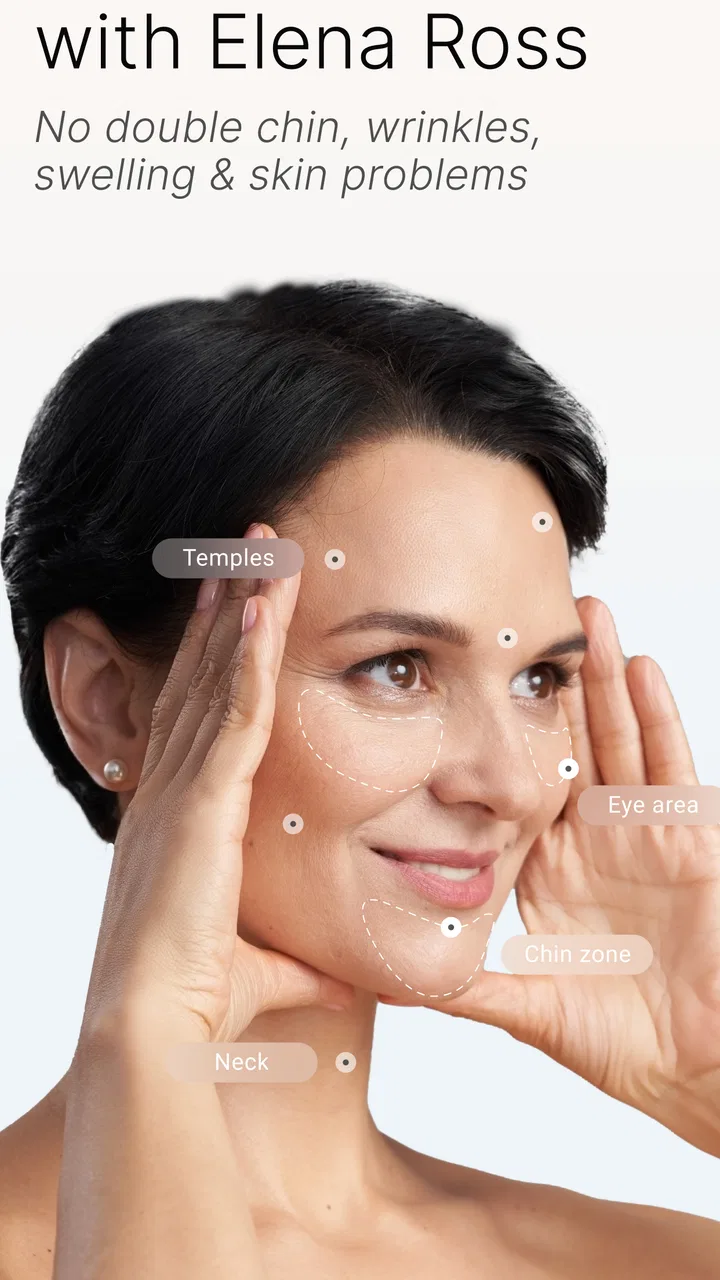
FaceTone: Face Fitness & Yoga is a guided facial exercise and wellness app designed to help users follow routines involving facial movements, massage techniques, stretching, and relaxation. After selecting a goal or routine, the app provides visual instructions and timed sessions that can be completed at home. It is intended as a self-care tool, not a medical treatment or replacement for professional advice.
02Can FaceTone really reduce wrinkles or improve my facial appearance?
FaceTone may help you become more consistent with facial exercises, relaxation, and massage, which some users may find useful for improving muscle awareness, reducing temporary facial tension, or supporting a refreshed appearance. However, results vary considerably depending on age, skin type, routine, and consistency. The app cannot guarantee wrinkle removal, lifting, or permanent changes, and its claims should be viewed as wellness guidance rather than proven medical outcomes.
03Is FaceTone: Face Fitness & Yoga suitable for beginners?
Yes, the app is generally designed to be accessible to beginners, including people who have never tried facial yoga or face exercises before. The guided format can make it easier to follow movements at a comfortable pace. New users should start gently, avoid forcing stretches, and pay attention to discomfort. Anyone with facial pain, recent cosmetic procedures, skin irritation, or a medical condition should consult a qualified professional first.
04Does FaceTone require a subscription or include in-app purchases?
FaceTone may offer free content alongside premium routines, additional programs, or subscription-based features, depending on the version and platform available when you download it. Before starting a trial or confirming payment, review the price, billing frequency, renewal terms, and cancellation instructions shown in the app store. Deleting the application usually does not cancel an active subscription, so cancellation must be handled through your Apple or Google account settings.
05What should I know about privacy and using FaceTone?
Before using FaceTone, review its current privacy policy and the permissions requested during setup. A facial fitness app may collect account details, usage information, device data, or wellness-related preferences, while some features may involve photos or other user-provided information. Avoid entering sensitive personal details unless necessary, check whether data is shared with analytics or advertising partners, and download the app only from the official App Store or Google Play listing.
Pros
- Short guided routines are easy to fit into a daily schedule.
- Exercises target different areas
- including the face
- neck
- and jawline.
- Visual demonstrations make the movements simple to follow.
- Progress tracking can help users maintain a regular routine.
- Suitable for beginners without requiring fitness equipment.
Cons
- Many useful routines and features may require a paid subscription.
- Results depend on consistent practice and may vary between users.
- Some exercises can feel repetitive after extended use.
- Facial exercise claims may not be supported by strong scientific evidence.
- The app may collect sensitive information related to health or appearance.

FaceTone: Face Fitness & Yoga
Gallery